
Topic
Anti-slapp laws — Anti-SLAPP statutes: where a speech lawsuit can be cut short early
What the statutes do, how the motion to strike works, which jurisdictions have them, and why the tests differ state by state.
What the statutes do, how the motion to strike works, which jurisdictions have them, and why the tests differ state by state.

A retraction demand is not a lawsuit. It is the opening move of one, and what happens next depends on records kept long before the letter arrives.

A generic anatomy of retail collapse: the sequence of choices, debts and denials that turns an iconic chain into a going-out-of-business sale.

Coffee hit record prices in February 2025, concert seats price against fixed capacity, and only 59 affordable rentals exist per 100 very low-income renter households. Documented data shows supply and demand working, and where institutions bend the outcome.
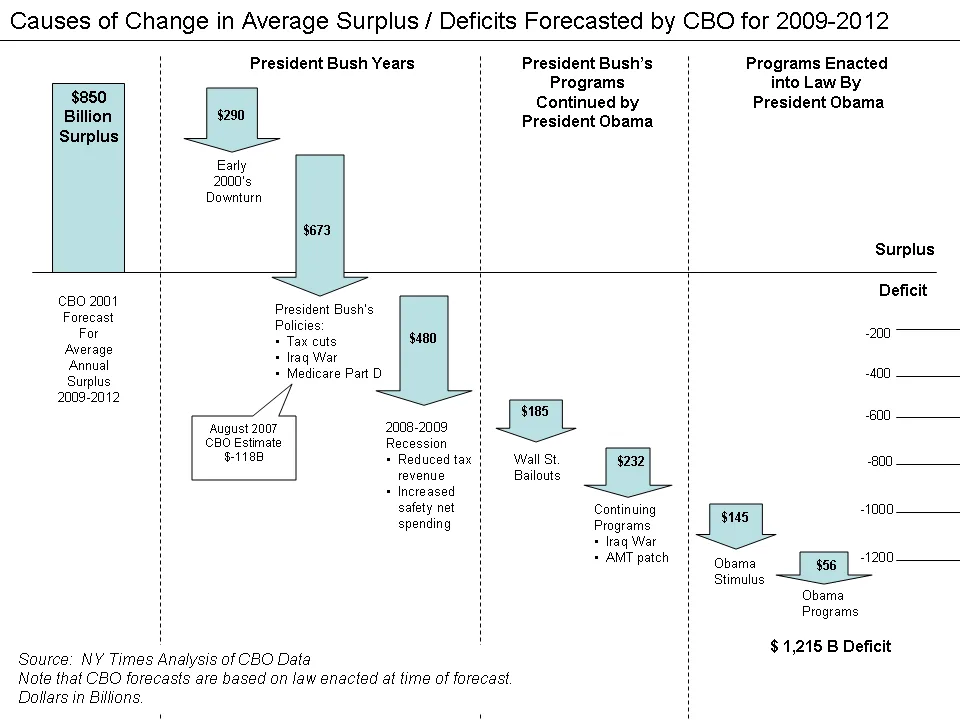
There is no single official definition. Here is how the people who date downturns decide, and which indicators lead or lag.

One chapter shuts a company down. The other keeps it running under court supervision. Here is who wins and who loses in each.

The federal records law is simple on paper. The process, the fees, the exemptions and the waiting are where it gets complicated.

The name on the byline is rarely the name on the ownership paperwork. Here is how the layers work, and how to trace them yourself.

Cases, plans, counterplans, and the strange speed of it all — a plain-language guide to the format that trains a lot of the country's policy minds.

Going public with evidence of wrongdoing is a legal pathway with real rules — and real personal risk. Here is how the process actually works.