Topic
Economics jobs: what federal wage data say about four career tracks
Federal wage data rank the main economics career tracks on pay, growth, and entry cost, from a $144,680 policy median to a 35 percent data-track growth projection.
Federal wage data rank the main economics career tracks on pay, growth, and entry cost, from a $144,680 policy median to a 35 percent data-track growth projection.

A generic anatomy of retail collapse: the sequence of choices, debts and denials that turns an iconic chain into a going-out-of-business sale.

The labels get used interchangeably. The growth logic, funding paths, and risk behind them are not the same.

Lateral reading beats gut instinct. Here is the habit researchers recommend, in plain steps.

The federal records law is simple on paper. The process, the fees, the exemptions and the waiting are where it gets complicated.
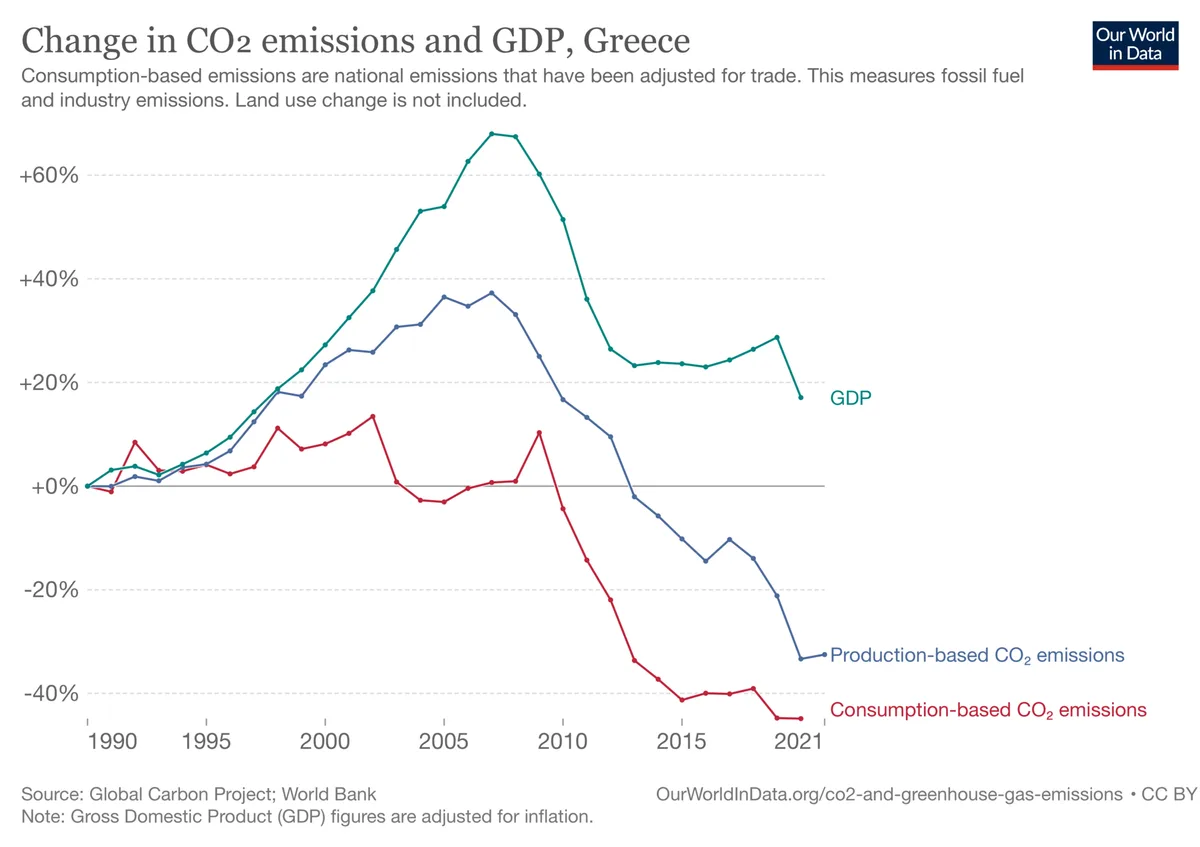
The world's default scoreboard for economies was never designed to judge welfare. Its own inventor said so.

Active listening is a small set of habits — paraphrase, reflect, ask — that research links to more trust and fewer misunderstandings. Here is how each move works and how to practice one today.

Crossed arms are not a verdict, and eye contact is not a polygraph. A guide to what nonverbal signals can and cannot tell you.

Cases, plans, counterplans, and the strange speed of it all — a plain-language guide to the format that trains a lot of the country's policy minds.

What the degree actually asks of you, where graduates really land, and how to test the salary promise before you commit.